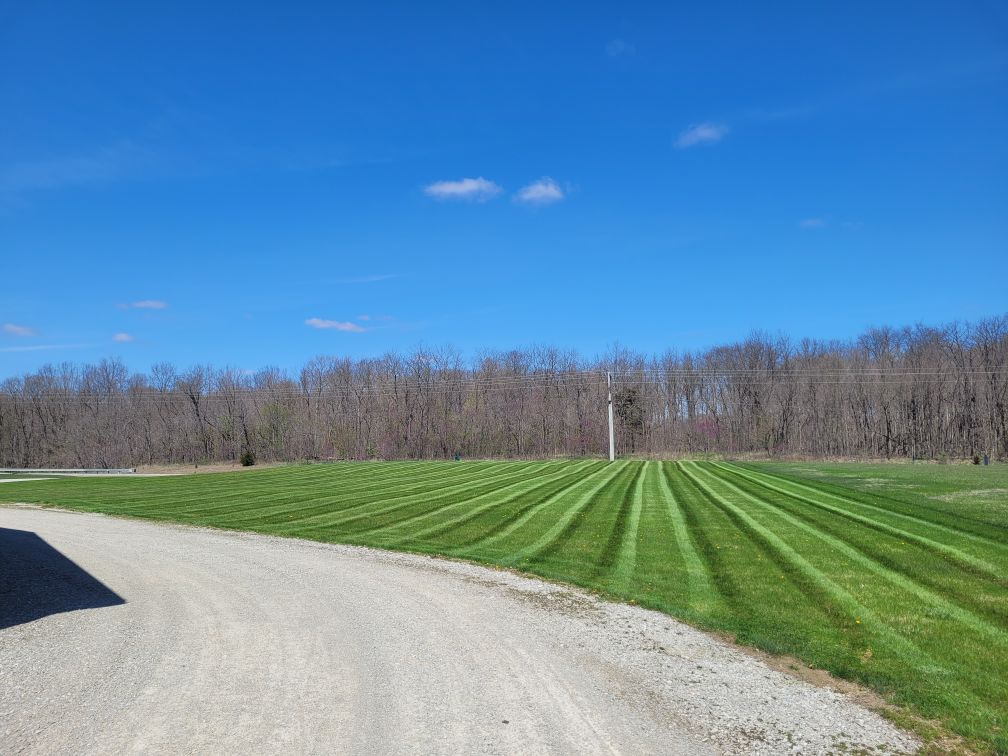
Innovative Design Ideas for a Sustainable and Stylish Outdoor Area Sep 03, 2026
One of the first steps to designing a sustainable landscape is to incorporate native plants. These plants are naturally adapted to the local climate and soil conditions, which means they require less water, fertilizer, and maintenance. By choosing a variety of local flora, you not only support local ecosystems but also add natural beauty and character to your garden. Native wildflowers, shrubs, and trees are great starting points and can attract beneficial pollinators like bees and butterflies.
Next, consider implementing water-smart solutions to reduce your environmental footprint while maintaining a lush outdoor space. Install a rainwater harvesting system to collect and store rainwater for irrigation. This is a simple yet effective method to conserve water and ensure your garden thrives during dry spells. Additionally, integrating permeable paving helps manage stormwater runoff, allowing rain to seep into the ground and replenish groundwater rather than causing erosion or flooding.
The layout and design of hardscape elements can also contribute significantly to sustainability. Opt for recycled or locally-sourced materials in features like patios, pathways, and garden borders. Reclaimed wood and stones not only add rustic charm but also reduce the demand for new resources. Vertical gardens or green walls made from sustainable materials can maximize space and improve air quality, all while adding a modern twist to your outdoor area.
Moreover, incorporating energy-efficient outdoor lighting is crucial for both functionality and eco-friendliness. Solar-powered lights are an excellent option, harnessing sunlight during the day to illuminate your garden at night. Choose LED lights for further energy savings, as they use less power and have a longer lifespan compared to traditional bulbs. Effective lighting enhances the ambience of your outdoor space, making it inviting and safe for evening activities.
For a comfortable and stylish outdoor living area, consider adding multi-purpose furniture made from sustainable materials. Look for pieces crafted from FSC-certified wood or recycled plastics, which not only align with eco-friendly principles but also offer durability and style. Multifunctional furniture, such as benches with hidden storage or tables that can double as planters, maximizes space and utility.
No modern garden is complete without considering its impact on biodiversity. Creating habitats for local wildlife can be as simple as installing a birdbath, setting up a bee hotel, or building a small pond. These features enhance the diversity of your garden and contribute to a balanced ecosystem, offering refuge for creatures that play vital roles in pollination and pest control.
In conclusion, designing a sustainable and stylish outdoor area requires thoughtful planning and a commitment to eco-friendly practices. By incorporating native plants, water-smart solutions, and sustainable materials, you can create a beautiful and functional garden that aligns with environmental goals. At Stout Mowing & Services LLC, we're passionate about helping clients achieve their landscaping dreams. With these innovative design ideas, you can enjoy a stunning outdoor area that reflects your values and supports the planet.
/filters:no_upscale()/filters:format(webp)/media/fcb02fbc-209f-4108-9669-7b7e273d45d1.jpeg)